
Last updated November 2, 2026
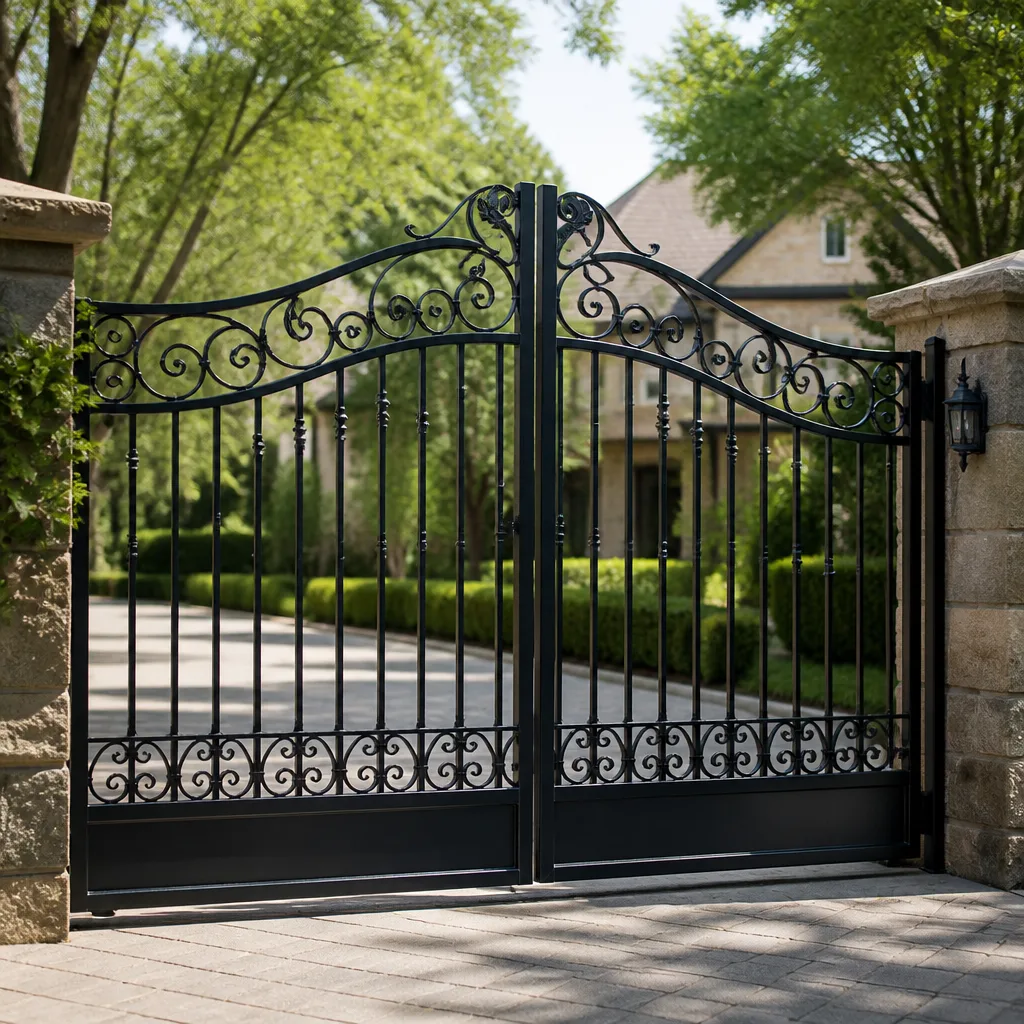 Wrought iron
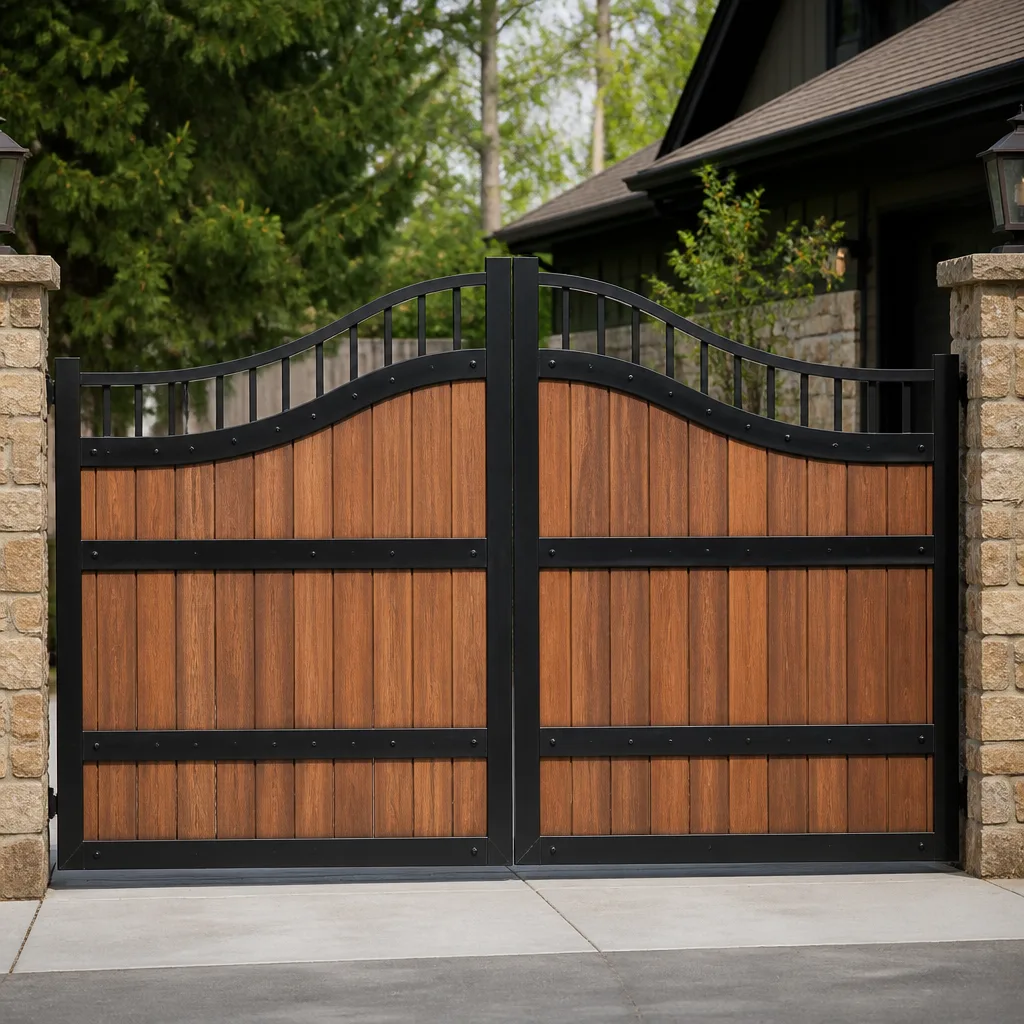 Wood & steel frame
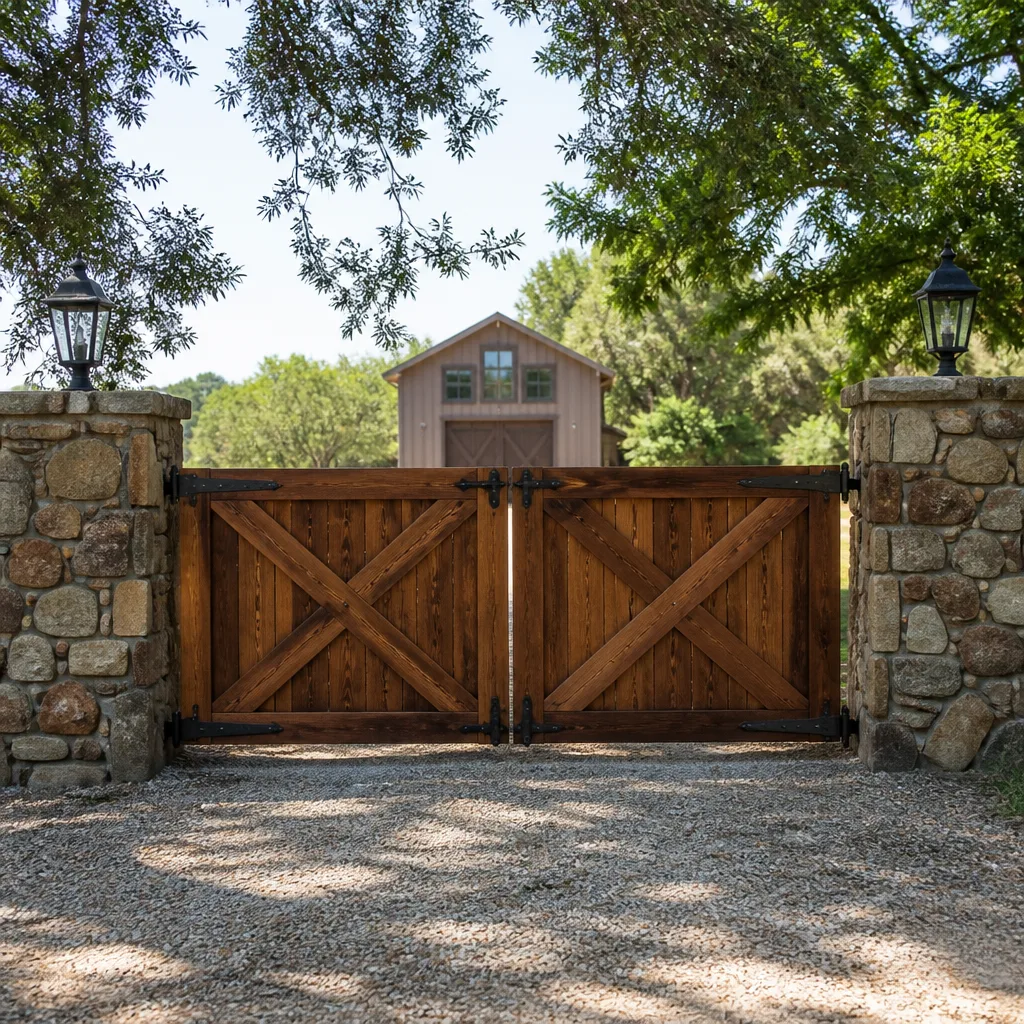 Farm & ranch
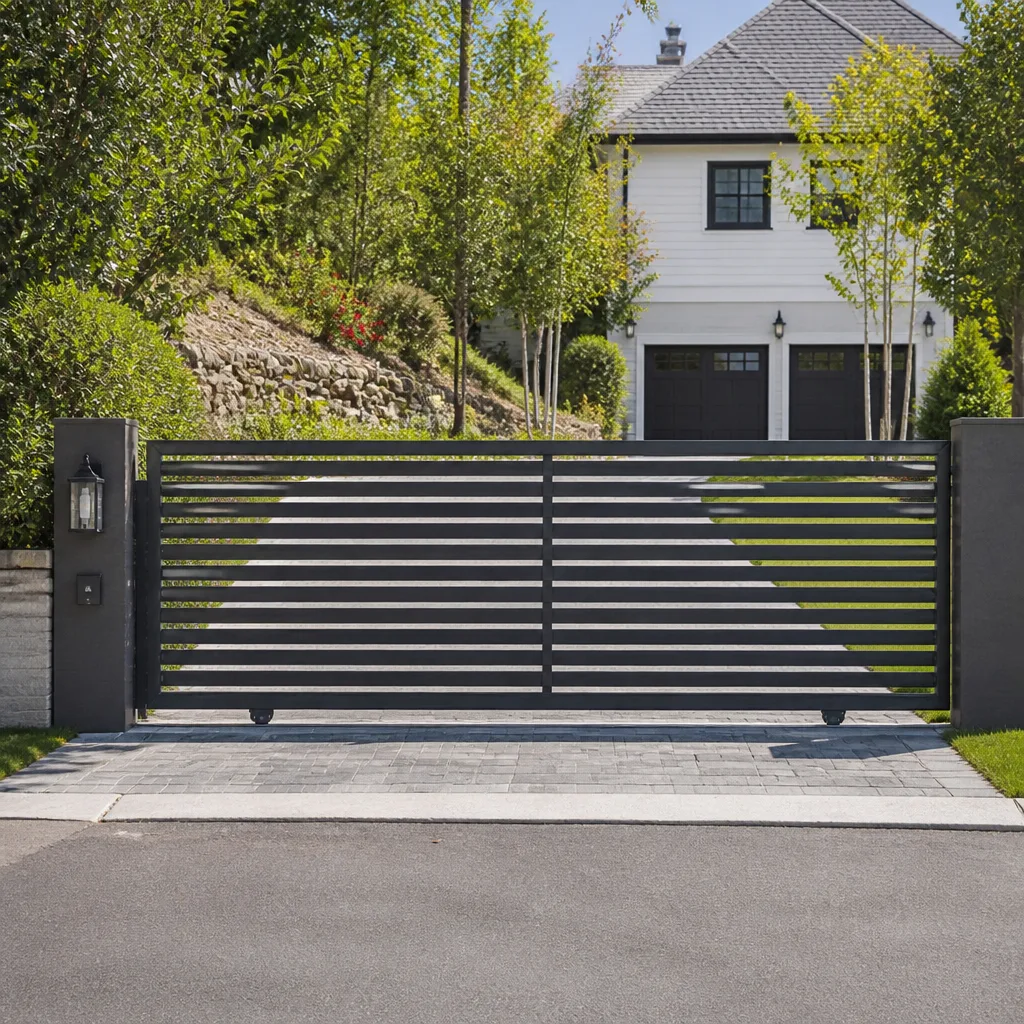 Sliding driveway gates
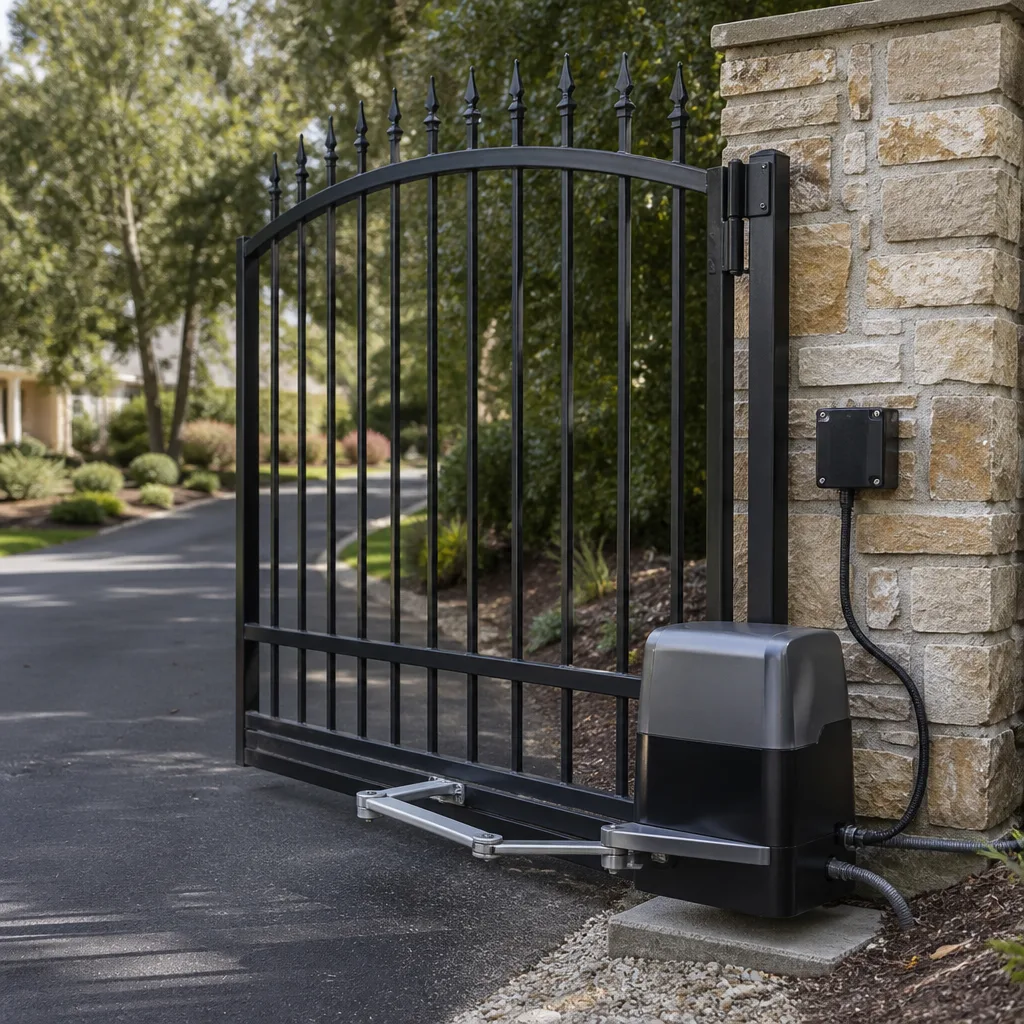 LiftMaster operators
Free on-site gate assessment - hinges, posts, and your LiftMaster or Nice gate operator checked before anything is quoted
The assessment is free and the quote is the invoice.
Get your free estimateSeasonal Gate Repair Care for Del Paso Park: Year-Round Homeowner’s Guide
In Del Paso Park, a gate that works flawlessly in January can throw an auto-reverse fault every afternoon by July, and the culprit isn’t a failing motor. It’s the Sacramento Valley heat. Aluminum swing gates expand measurably above 100°F. That expansion shifts limit-switch timing just enough to make the operator think it’s hit an obstruction, so the gate reverses halfway through its cycle. The problem vanishes by morning, then returns with the heat. This Complete Gate Repair Guide for Del Paso Park Homeowners explains why the area’s specific climate stresses gate hardware differently than coastal California or the Sierra foothills, and gives you a month-by-month maintenance calendar built around those actual conditions.
Quick Answer
Seasonal gate care in Del Paso Park means adjusting for four distinct stress periods: summer heat expansion that affects limit switches and duty cycles, fall dust that cakes slide-gate tracks and operator internals, post-rain soil movement that shifts gate posts, and winter fog corrosion on electrical connections. A monthly visual inspection plus seasonal lubrication and limit-checking prevents roughly 70% of the gate failures we see in this area. Most of these checks take under 15 minutes and require no special tools.
Styles & brands we work with
- Wrought iron
- Wood & steel frame
- Farm & ranch
- Sliding driveway gates
- LiftMaster operators
Table of Contents
- Summer Heat and What It Does to Gate Operators in Del Paso Park
- Dust Management for Slide Gates and Operator Internals
- Fall Rains and Post Settlement: What to Check
- Winter Fog, Dew, and Electrical Corrosion
- Month-by-Month Gate Care Calendar for Del Paso Park
- Common Mistakes to Avoid
- When to Call a Professional
- Frequently Asked Questions
Summer Heat and What It Does to Gate Operators in Del Paso Park
Del Paso Park regularly sees stretches of 100°F-plus days from June through September, and those temperatures change how gate hardware behaves in ways a coastal maintenance guide won’t mention. The most common summer failure we respond to isn’t a dead motor. It’s a gate that starts its cycle, reverses, and stops. Homeowners on streets like Rio Linda Boulevard and Marysville Boulevard call us thinking the safety sensors failed. What’s actually happening is thermal expansion. An aluminum gate leaf can grow by a quarter inch or more in direct afternoon sun. The operator’s limit switch, calibrated for the gate’s cooler-morning length, misreads that expanded position as an obstruction.
Steel gates expand less, but their darker surfaces absorb more radiant heat, which transfers to the operator arm and control board housing. We’ve measured control-board compartments on black steel gates at over 150°F in Del Paso Park summers. Most residential operator control boards are rated for operation up to 158°F, but consistent heat near that ceiling shortens capacitor and relay life significantly. This is also why an operator that’s run fine for three years suddenly starts tripping its thermal cutoff in late afternoon. Thermal cutoffs are designed to protect the motor from overheating, but when ambient temperatures climb near the threshold, the cutoff engages at far lower workloads than the manufacturer intended.
What you can do during summer:
- Check your limit settings in July. If your gate reverses midway through its cycle on hot afternoons only, the limit switch likely needs a half-turn adjustment. This is a 10-minute fix for someone who knows the control board, but on high-tension swing systems it’s worth a professional eye.
- Shade the control box if possible. A simple sheet-metal sun shield mounted an inch off the operator housing drops internal temperatures by 15 to 25 degrees. Don’t enclose the box entirely, it still needs airflow.
- Watch for slowed operation between 3 p.m. and 6 p.m. If the gate moves noticeably slower in late afternoon heat, the motor is working harder. That’s a warning sign of either failing capacitors or binding hinges, both fixable before they become a full stop.
- Test the auto-reverse once a week. Place an empty cardboard box in the gate’s path and run a cycle. If the gate crushes the box, shut the system off and call a specialist. A failed auto-reverse on a hot day is how fingers get broken and vehicles get dented.
Our Gate Repair services cover your brand, not just gates in general. That matters in summer because different operators handle heat differently. A Mighty Mule residential unit and an FAAC commercial operator have completely different thermal design limits, and knowing which one you have changes what “normal” hot-weather behavior looks like.
Dust Management for Slide Gates and Operator Internals
Del Paso Park goes months without meaningful rain, and the dry season leaves a fine silt on everything. That dust is more abrasive than most people realize. It works into slide-gate track rollers, scores the bearings, and turns the grease inside the operator gearbox into a lapping compound. Slide gates are more vulnerable than swing gates here because the entire drive assembly sits close to the ground, right where dust accumulates from passing vehicles and dry landscaping.
- Blow out the track monthly from May through October. A leaf blower or compressed air works. Sweep first, then blow. The goal is removing grit before it gets pressed into the roller bearings.
- Check track-wheel play. Grab the gate and push side to side. More than a half inch of wiggle means the guide rollers or v-wheels are worn. Dust accelerates that wear by acting like sandpaper inside the sealed bearings.
- Inspect the operator’s gearbox breather. Most slide-gate operators have a small vent on the gearbox housing. Dust can clog it, causing pressure to build and forcing grease out past the seals. If the vent is clogged, the gearbox runs dry and burns out, which is one of the most expensive residential gate repairs we do.
- Lubricate the chain or rack sparingly. Use a dry-film lubricant, not grease. Grease captures dust in Del Paso Park’s dry air and turns into paste within two weeks. A light dry-lube application every other month is plenty.
- Clean the photocell lenses. Safety sensors get a fine dust coating that gradually degrades their infrared signal. A soft cloth and glass cleaner every month keeps them working. This is the single most common cause of a gate that refuses to close in dry-season Del Paso Park.
For swing gates, dust is less about tracks and more about hinge pins and operator arms. The articulating joints on gate operators like the Ghost Controls residential line and the heavier Elite commercial swing arms have pivot points that collect grit. A shot of dry PTFE spray on those joints each month during the dry season keeps them moving freely. Skip the WD-40, it’s a solvent, not a lubricant, and it leaves a film that attracts more dust than it prevents.
Fall Rains and Post Settlement: What to Check
The first real rains in Del Paso Park, usually November, don’t just green up the landscaping. They rewet soil that’s been shrinking and cracking all summer. That soil movement is the hidden reason gates that were perfectly aligned in September suddenly drag, bind, or fail to latch in December. The Sacramento Valley’s clay-heavy soil expands dramatically when it absorbs water, and gate posts that sat in hard, dry ground for six months can shift by a quarter inch or more after the first two storm cycles. A quarter inch at the post translates to a visible sag at the outer edge of an eight-foot gate leaf.
- After the first soaking rain, check the gap between the gate and the latch post. If the gap has changed from summer, the hinge post has likely moved. Don’t force the gate closed, that bends the latch hardware and strips the operator’s limit timing.
- Check for water pooling at the base of posts. If water stands around a gate post after rain, it’s repeatedly saturating the soil and amplifying movement. Regrade the area or add a gravel sump. Post replacement is preventable, but only if drainage gets fixed early.
- Inspect the operator arm mounting points. As soil shifts, the gate and the operator fight each other. The first component to fail is usually the clevis pin or mounting bracket on the operator arm. Look for elongated bolt holes or play at the connection points.
- Run a full open-and-close cycle and watch for hesitation. If the gate pauses mid-cycle or shudders, the operator is binding against misaligned hardware. Continued operation in that state burns out motors and strips gearboxes.
Post-shift is also the right time to consider whether you need a full gate installation versus a repair. If the post has moved more than an inch or the concrete footing is cracked, resetting the post correctly is more cost-effective long-term than repeatedly adjusting the operator and latch. A gate specialist can tell you which side of that line you’re on with one site visit.
Winter Fog, Dew, and Electrical Corrosion
Del Paso Park gets fog, especially in December and January, and fog does something rain doesn’t. Rain runs off surfaces. Fog condenses on them and sits. That condensation settles on circuit boards, terminal strips, transformer connections, and low-voltage wiring. Over weeks of fog cycles, copper terminals develop a green oxide layer that increases resistance and causes intermittent behavior. A gate that works fine at 2 p.m. but fails at 7 a.m. during winter is often fighting a corroded connection, not a mechanical problem. The dew point and fog settle on the same surfaces every night, and the morning failure pattern is the giveaway.
Specific winter checks for Del Paso Park:
- Open the operator cover and look. Green or white powder on any terminal or wire nut means corrosion is active. This is a visual inspection, no tools needed. If you see it, the fix is cleaning and resealing the connections, not replacing the whole operator.
- Check the low-voltage wire run to the keypad or push-button. Exposed low-voltage wire is more vulnerable to fog corrosion than the high-voltage side because the connections are typically less weather-sealed. If your keypad gets intermittent in winter, inspect the wiring splices first.
- Verify the battery backup if your operator has one. Cold weather and moisture both degrade lead-acid batteries faster. If your gate has a battery backup for power outages, test it in January. A battery that worked in August may be dead by winter if the charging circuit has been compromised by moisture.
- Look at the ground rod connection. Lightning isn’t a Del Paso Park summer phenomenon, but the ground connection affects how your operator handles electrical noise. A corroded ground clamp causes erratic behavior that mimics a failing control board.
If you have an electric gate with a keypad, card reader, or intercom, winter is when those low-voltage accessories show their weaknesses. Corrosion on a keypad’s ribbon connector is one of the most common electric gate failures we repair in Del Paso Park between December and February, and it’s almost always preventable with a $6 tube of dielectric grease applied to the connectors before fog season starts.
Month-by-Month Gate Care Calendar for Del Paso Park
This calendar is built for Del Paso Park’s actual climate pattern, not a generic four-season template. What works for a gate in San Diego or Truckee doesn’t map cleanly here, so the tasks below – along with our Choosing the Right Gate Repair Brand: A Buyer’s Guide for Del Paso Park – follow the valley’s real rhythm.
January and February
- Inspect all electrical connections inside the operator housing for corrosion or moisture.
- Test the auto-reverse and safety sensors after the heaviest fog periods.
- Check the battery backup condition if equipped.
- Lubricate hinge pins and operator pivot points with dry PTFE spray.
March and April
- Check gate post alignment after winter rains. Look for new gaps, sag, or latch misalignment.
- Clear drainage around post bases before the ground dries and hardens.
- Run a full mechanical inspection: hinges, wheels, chain, rack, and ground track.
- Test all remotes, keypads, and intercom components. Replace remote batteries now, before summer.
May and June
- Begin regular dust management: blow out tracks, clean photocells, dry-lube chains.
- Adjust limit switches for the first 95°F-plus days if you see heat-related auto-reverse faults.
- Inspect and clean the operator’s heat sinks and control-box vents.
- Record the gate’s cycle time. A slower cycle in June than in March means friction is building somewhere.
July and August
- Monitor for afternoon thermal cutoffs. If the gate trips the cutoff and resets after cooling, the operator is marginal for Del Paso Park summer heat.
- Keep photocell lenses clean from dry-season dust.
- Check swing-gate hinges for heat-expansion binding. Lubricate with high-temperature grease.
- Test the manual release mechanism. If you can’t open the gate by hand with the operator disengaged, fix it now rather than during a July power outage.
September and October
- Deep-clean the entire gate system before rain season: tracks, chain, rack, operator internals.
- Apply dielectric grease to all low-voltage connections before fog starts.
- Check weather stripping and gaskets on control boxes. Replace cracked or brittle seals.
- Run a full system diagnostic: limits, force settings, auto-reverse, all access controls.
November and December
- After the first heavy rain, recheck post alignment and gate latch engagement.
- Inspect for water intrusion in the operator housing. Standing moisture inside the housing is a failure waiting to happen.
- Clean and reseal any electrical connection that shows early corrosion.
- Test the gate through a full open-hold-close cycle in wet conditions. Wet ground changes the slide-gate’s rolling resistance.
If this calendar feels like more than you want to manage, that’s worth saying plainly. Most Del Paso Park homeowners we talk to don’t do every item every month. The high-value items, the ones that prevent 90% of mid-season failures, are: keeping photocells clean in summer, checking limit switches during heat waves, clearing dust from tracks, and inspecting electrical connections before fog season. Those four habits alone will keep most gates running through the year. The rest of the calendar is for the careful owner or for a gate repair technician to handle during an annual service call.
Common Mistakes to Avoid
- Lubricating with WD-40. WD-40 is a water displacer, not a lubricant. It evaporates and leaves a thin film that attracts dust. In Del Paso Park’s dry season, that film plus airborne dust creates a gritty paste inside hinges and track rollers. Use dry PTFE spray or white lithium grease instead.
- Ignoring a summer auto-reverse fault because it only happens in the afternoon. That’s the gate telling you its limit switch is too tight for thermal expansion. Ignoring it means the operator works against increased resistance every hot afternoon, which shortens motor life. The fix is a limit adjustment, not a new motor.
- Greasing slide-gate tracks. Tracks should be clean and dry. Grease on a track collects dust and creates the exact rolling resistance you’re trying to prevent. Lubricate the rollers and chain, not the track surface itself.
- Forcing a gate closed after fall rains. When soil shifts a post, the gate and latch no longer line up. Forcing the gate closed bends the latch, strips the operator’s limit calibration, and can crack a cast-iron hinge. Stop and address the post shift.
- Resetting a tripping thermal cutoff repeatedly. A gate operator that trips its thermal cutoff more than once a week in summer is undersized for the gate, running on failing capacitors, or fighting mechanical binding. Repeatedly resetting it turns a $150 capacitor repair into a $900 motor replacement.
- Waiting until the gate fails completely to look at it. Most gate failures in Del Paso Park build slowly over weeks. A slowing cycle, a new creak, an intermittent keypad, these are early warnings. Catching them early usually means a minor adjustment instead of a full operator or post replacement.
When to Call a Professional
Some gate issues are safe and reasonable for a homeowner to address. Others are not. If you hear a loud snap and a swing gate drops suddenly, a spring or hinge has failed, and the gate leaf may be under tension. Don’t try to lift or reposition it yourself. If your operator trips a breaker repeatedly, there may be a short in the motor windings or a damaged wire run, both of which require a meter and a trained eye. If your gate is an electric or automated system and you’re not confident identifying the control board, limit switch, and safety sensor wiring, check our more guides & resources or leave electrical diagnosis to someone who works on gates daily. Gate Repair Del Paso Park offers free estimates in Del Paso Park, call (833) 620-4636. From a stuck residential gate to a commercial FAAC operator, we’ve seen it. Electric gate specialists, not generalists.
Frequently Asked Questions
Most residential gate tune-ups in Del Paso Park run between $120 and $250 for a full inspection, cleaning, lubrication, limit adjustment, and safety-system test. The exact price depends on the gate type, operator brand, and what the technician finds. Call (833) 620-4636 for a free estimate, the price is quoted and agreed before any work starts.
Afternoon-only auto-reverse is almost always thermal expansion of the gate leaf changing the limit switch timing. The gate expands slightly in Del Paso Park’s summer heat, the operator reads that expanded position as an obstruction, and the auto-reverse engages. Adjusting the limit switch by a fraction of a turn resolves it. This happens most often on aluminum gates and black steel gates in direct sun.
Every two months during the dry season, May through October, using a dry PTFE spray on hinge pins, operator pivot points, and chains. Avoid grease on exposed surfaces because it captures the valley dust and turns into an abrasive paste. During winter, monthly lubrication keeps moisture from working into pivot joints.
For a failed gate that’s stuck open or stuck closed, same-day service in Del Paso Park is often available, especially when the failure is a safety concern or access problem. Call (833) 620-4636 and tell us what the gate is doing, and we’ll give you a straight answer on timing and cost before anyone ships to your property.
A full installation includes the gate fabrication or supply, post setting with concrete, hinge and latch hardware, the operator, safety sensors, all low-voltage wiring, and programming of remotes and keypads. We walk you through material options, operator brand choices from Mighty Mule to LiftMaster, and the full price before work begins. No hidden line items, no surprises after the concrete is poured.
We carry factory-level familiarity with nine gate-operator brands including LiftMaster, FAAC, BFT, Linear, Viking, Ghost Controls, DoorKing, Elite, and Mighty Mule. That covers entry-level residential systems through commercial-grade operators. We work on your brand, not just gates in general, and we repair what’s already installed rather than pushing a replacement you don’t need.
The Bottom Line
Seasonal gate care in Del Paso Park isn’t about following a generic maintenance checklist. It’s about understanding what this specific climate does to metal, electronics, and soil. Summer heat expands aluminum and trips limit switches. Dry-season dust grinds track rollers and clogs gearbox vents. Fall rains move gate posts in clay soil. Winter fog corrodes low-voltage connections. Addressing each of these in its season, with the right lubricants, the right cleaning routine, and the right attention to limit settings, keeps a gate running for years and avoids most of the repair calls we take. The alternative is a gate that fails at the worst time, usually a hot afternoon or a foggy morning, when you’re late for something. A little seasonal attention prevents that. And when a problem does appear, one call covers Gate Repair Del Paso Park home repairs, automation, and full installation.
Written by the team at Gate Repair Del Paso Park, serving Del Paso Park since 2012.
See the difference
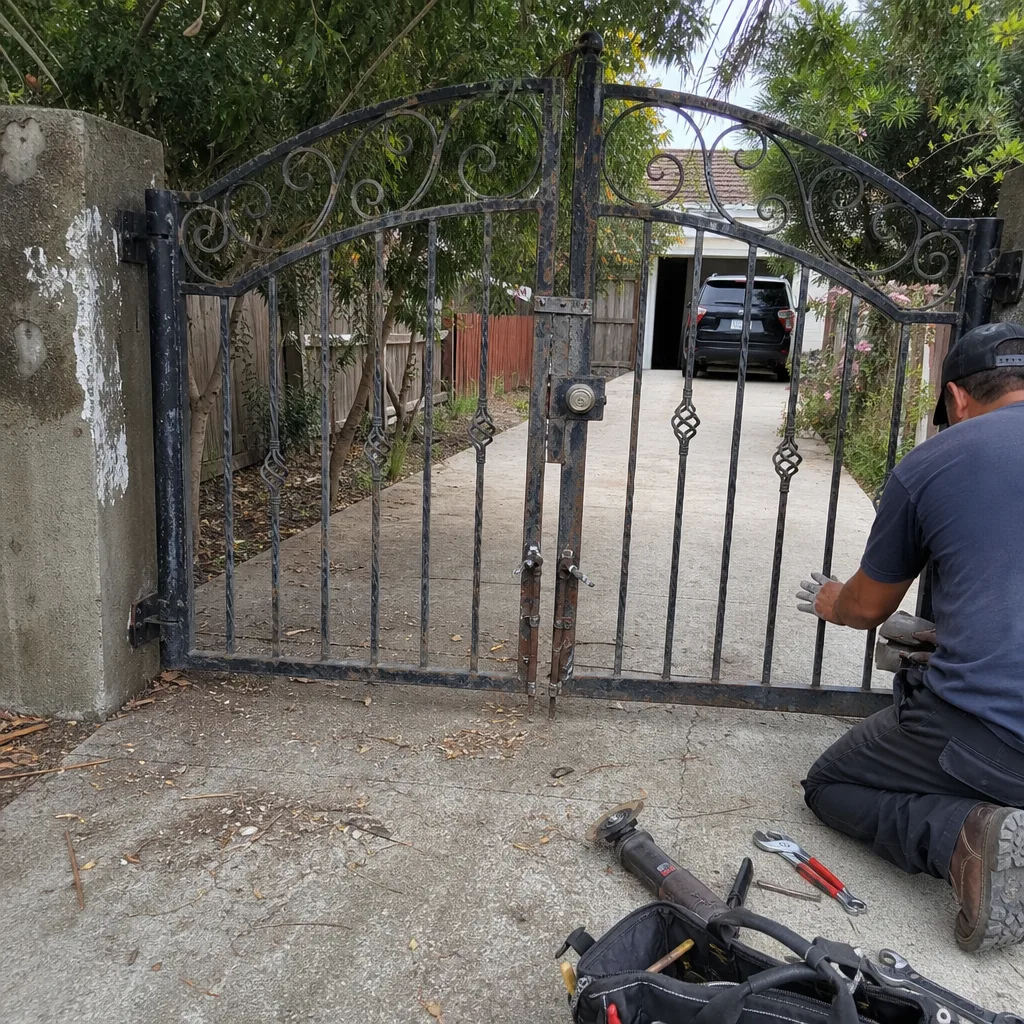 Before
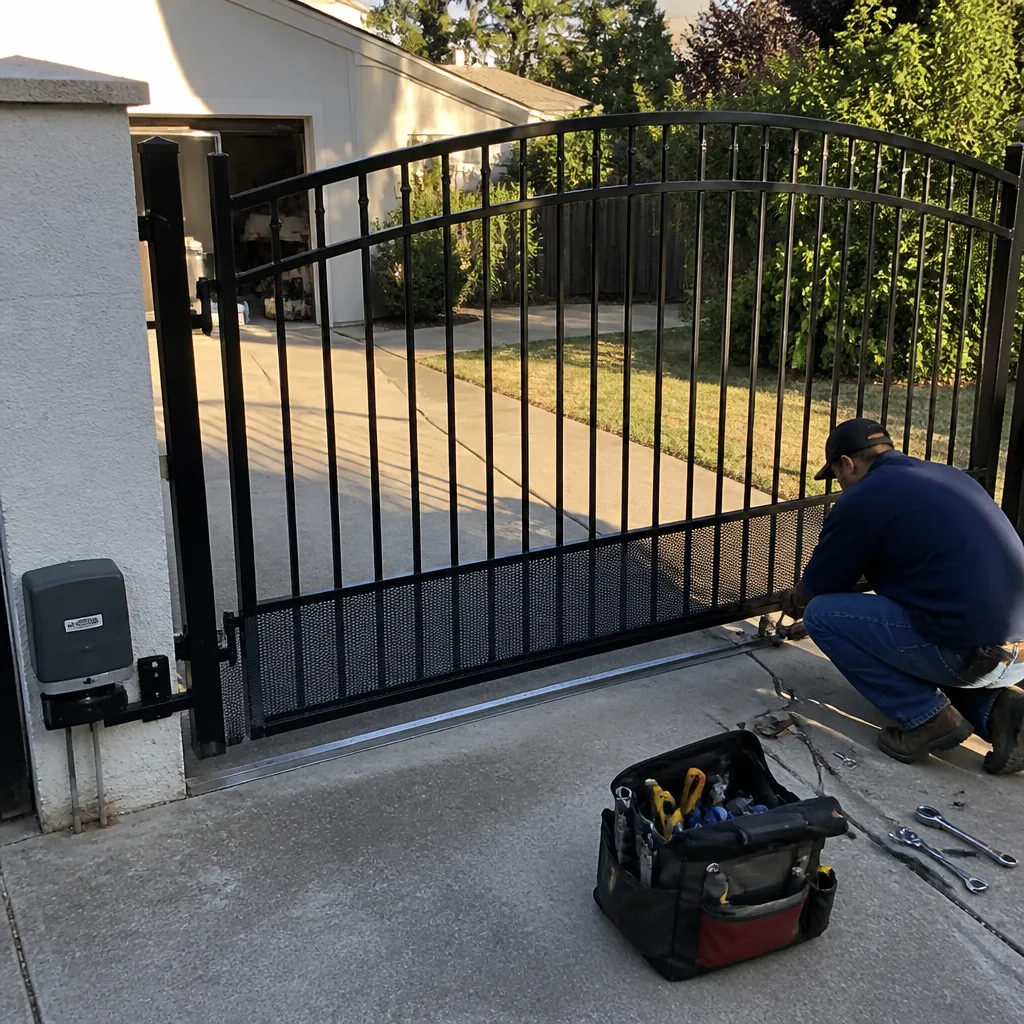 After
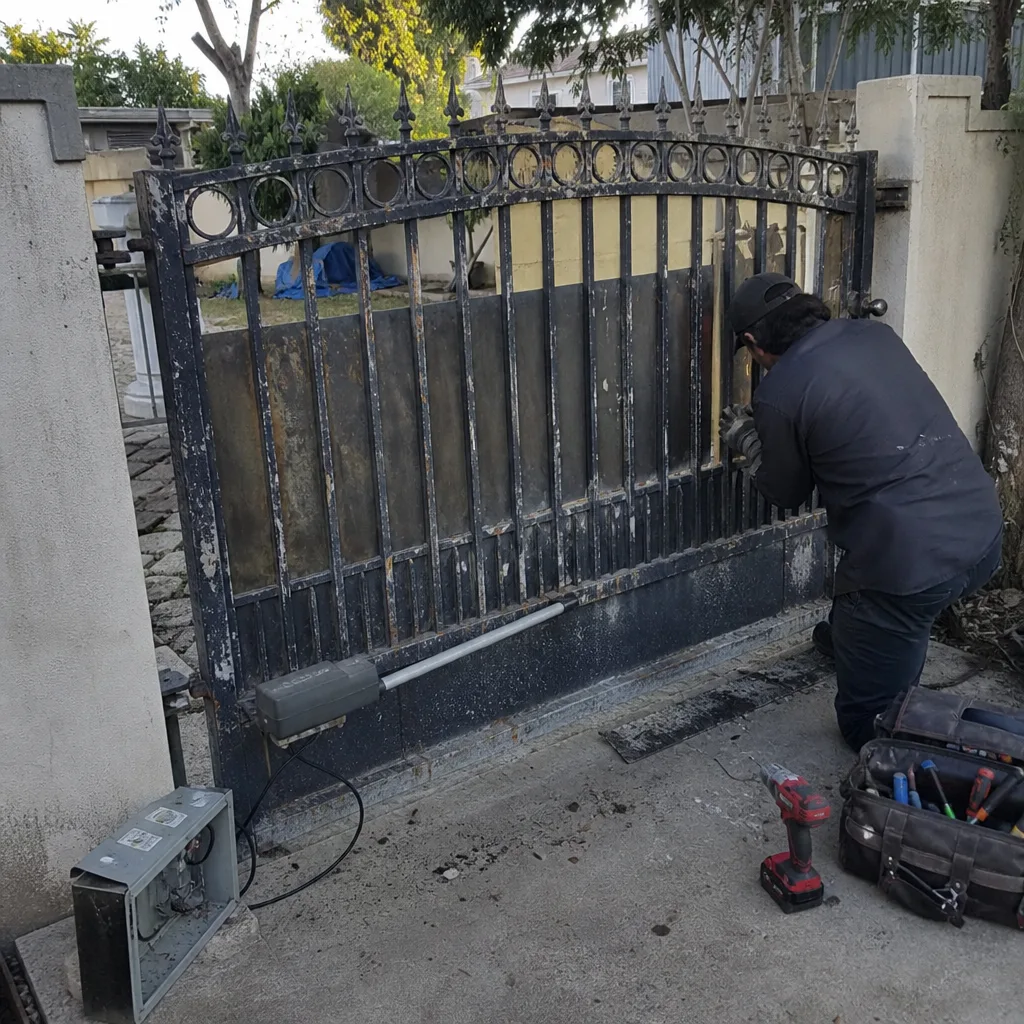 Before
 After
 Before
 After