
Last updated November 2, 2026
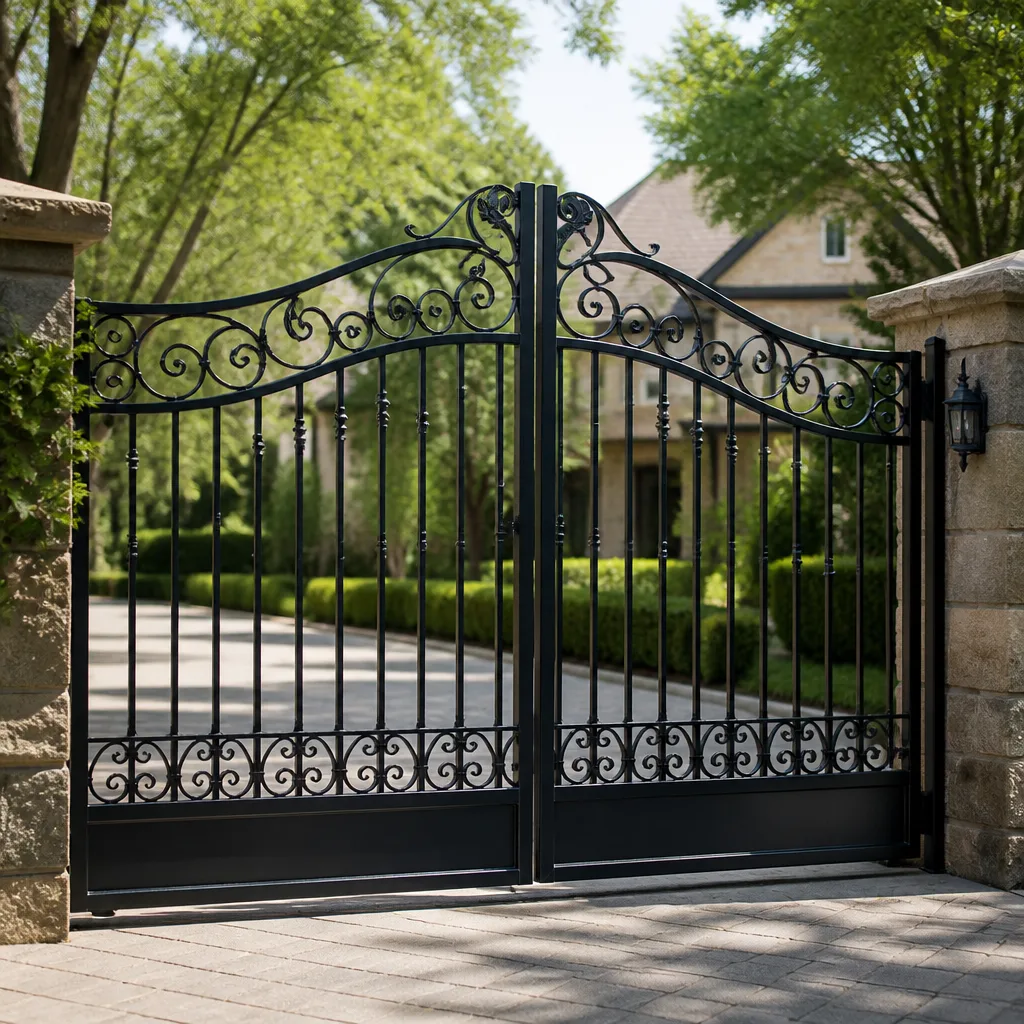 Wrought iron
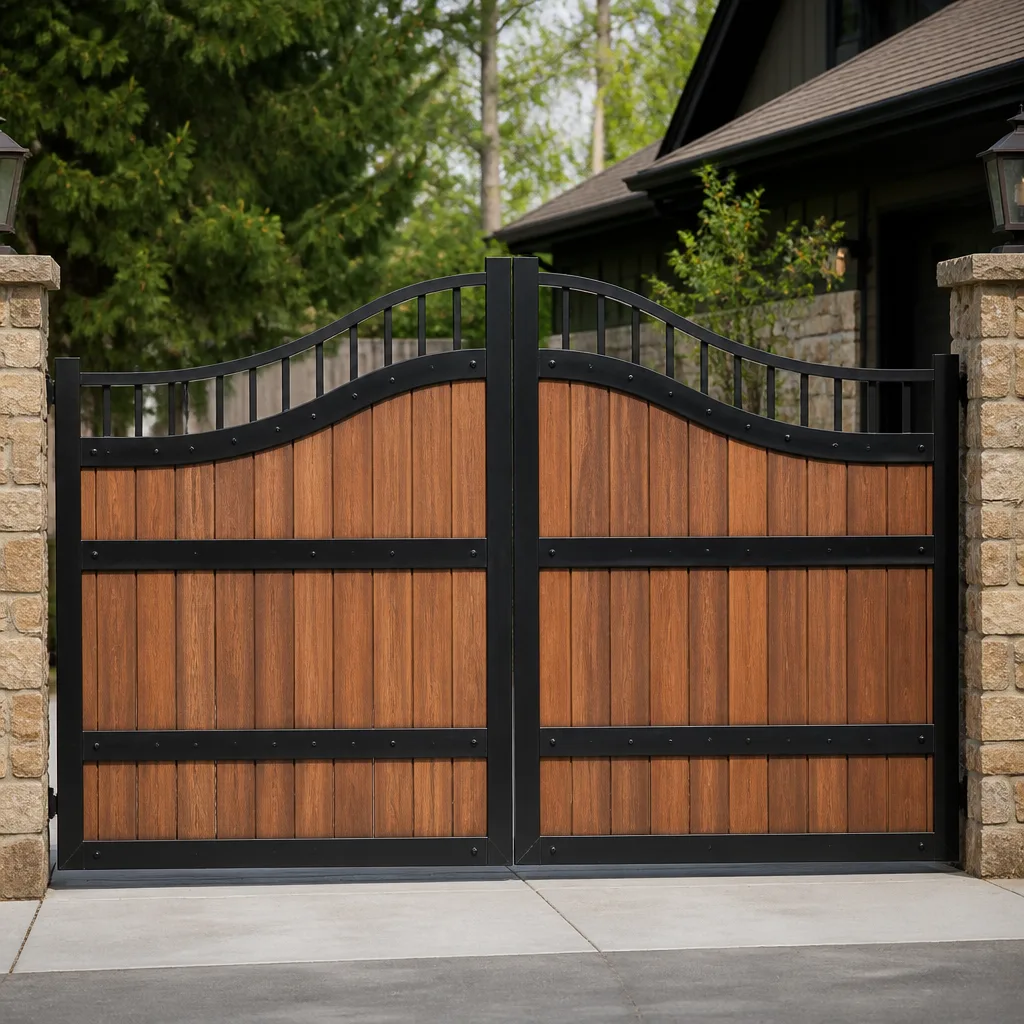 Wood & steel frame
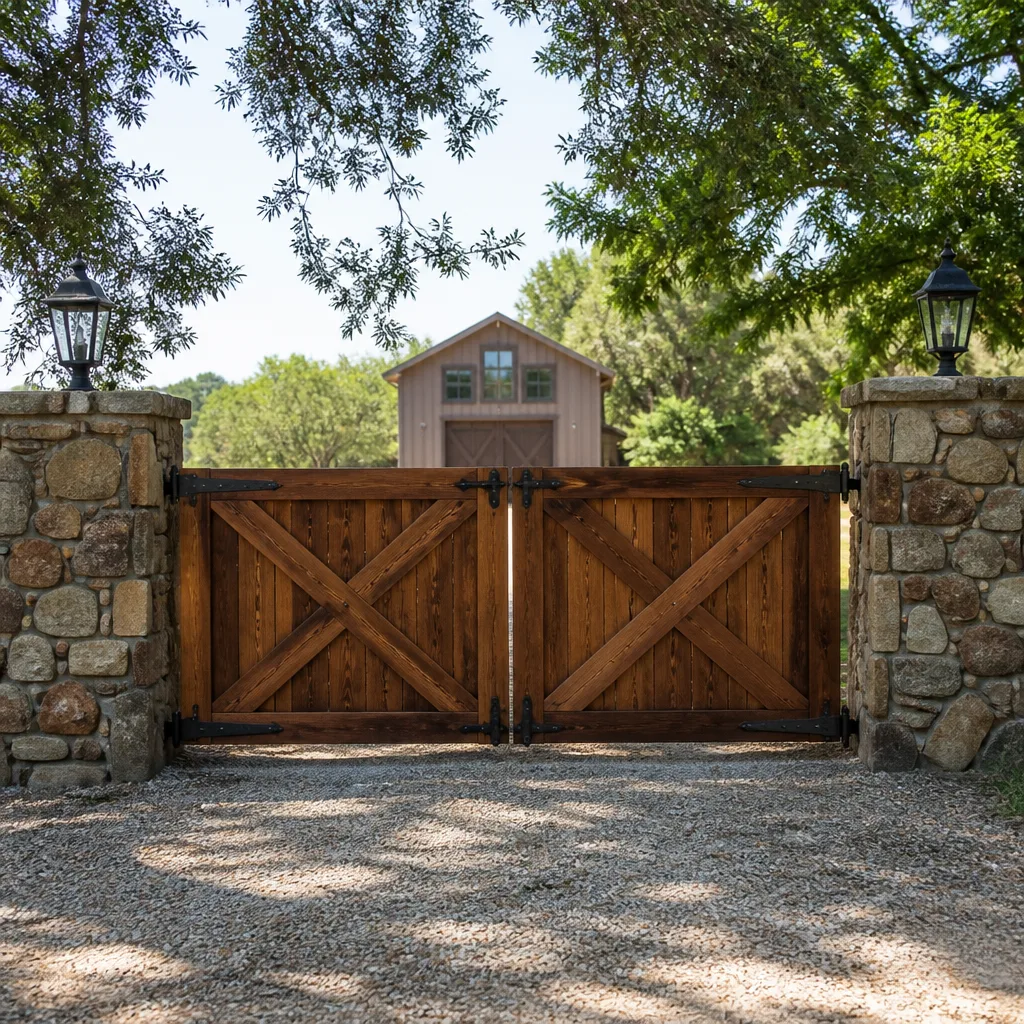 Farm & ranch
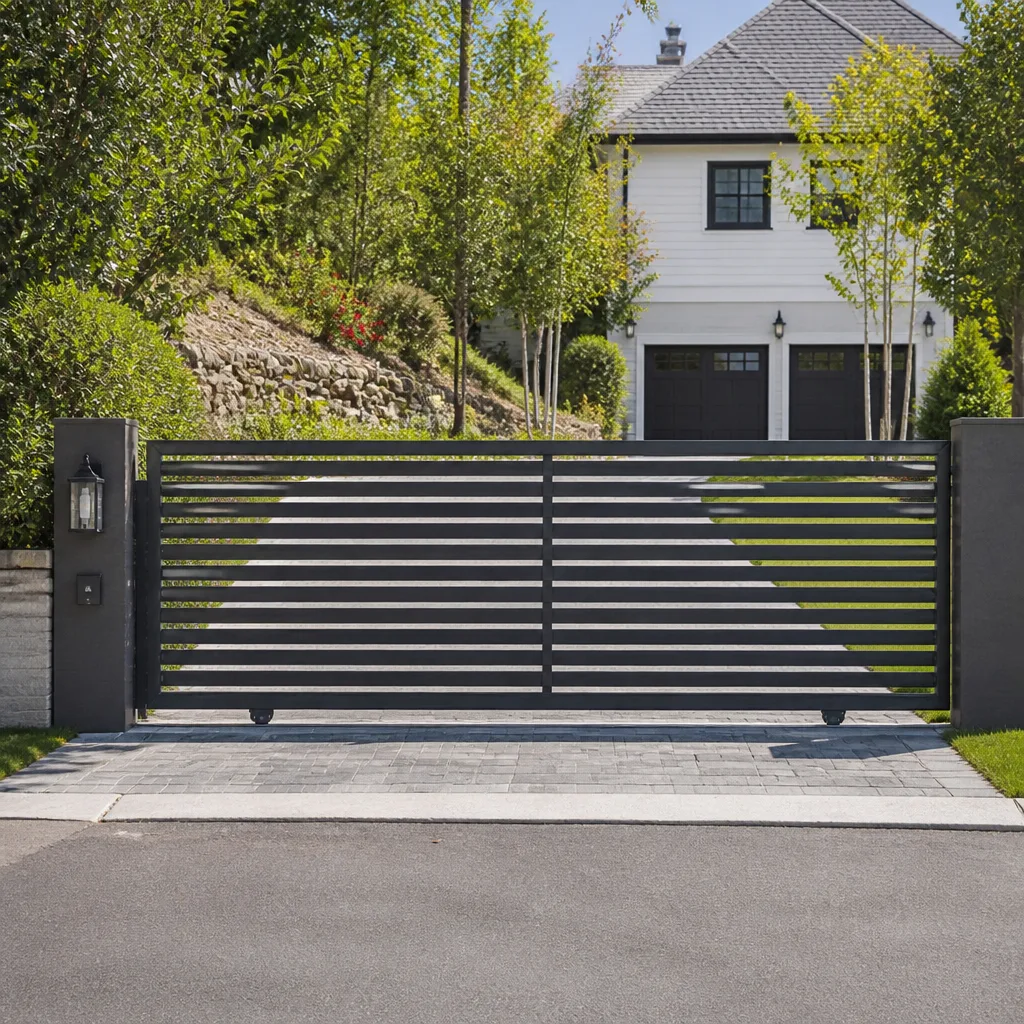 Sliding driveway gates
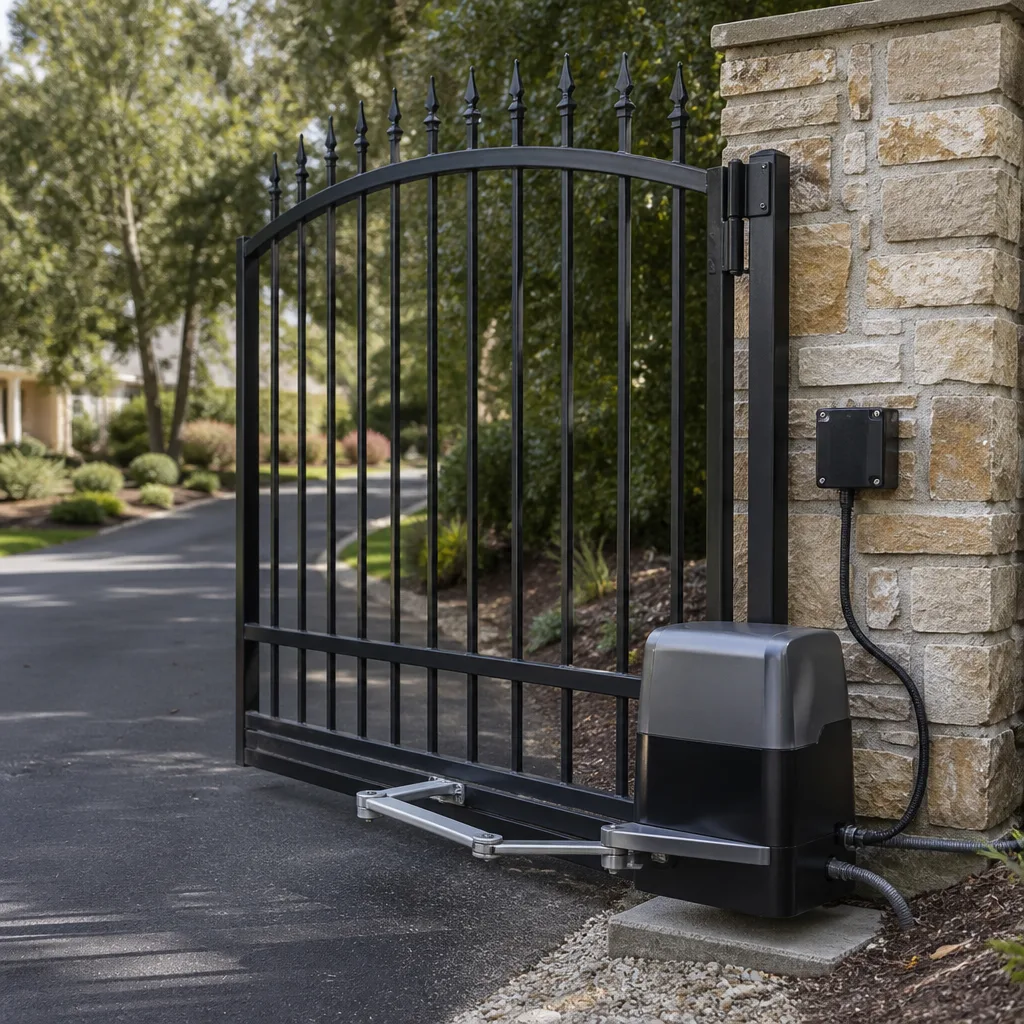 LiftMaster operators
Free on-site gate assessment - hinges, posts, and your LiftMaster or Nice gate operator checked before anything is quoted
The assessment is free and the quote is the invoice.
Get your free estimateGate Repair Permits, Codes & Inspections in CA: What You Need to Know
If your gate operator was installed before 2016 and hasn’t been touched since, there’s a real chance it no longer meets the current UL 325 entrapment-protection standard. That’s not a bureaucratic footnote. If that gate closes on a child, a pet, or a delivery driver, your homeowner’s insurance carrier can deny the liability claim on the grounds that the equipment was non-compliant. This guide walks through exactly which gate work California treats as maintenance, which jobs trigger a building permit, and how Sacramento County inspectors actually evaluate gate automation. For Gate Repair Troubleshooting: Common Problems and How to Fix Them, see our dedicated walkthrough. We’re writing this from Del Paso Park, where we see these code questions come up on roughly one in three repair calls.
Quick Answer
Most our Gate Repair services in California do not require a building permit: replacing a hinge, a wheel, a control board, a remote receiver, or a broken operator arm is classified as maintenance or like-for-like repair. Permits are triggered by new automation installations, converting a manual gate to electric, adding or relocating an operator post, and any electrical work that runs new line voltage to the gate. The bigger issue is UL 325 compliance: every automated gate in California must have functioning entrapment protection, and if yours predates 2016, it may not. Call (833) 620-4636 if you want us to check what you’ve got before an inspector or an insurance adjuster does.
Styles & brands we work with
- Wrought iron
- Wood & steel frame
- Farm & ranch
- Sliding driveway gates
- LiftMaster operators
Table of Contents
- Repair vs. Installation: Where California Draws the Line
- UL 325 and Entrapment Protection: What Compliance Actually Means
- How Sacramento County Inspections Work for Gate Automation
- The Liability Exposure You Carry With an Unpermitted or Non-Compliant Operator
- How to Bring an Older System Into Compliance Without Replacing Everything
- Common Mistakes to Avoid
- When to Call a Professional
- Frequently Asked Questions
Repair vs. Installation: Where California Draws the Line
California Building Standards Code (Title 24, Part 2, the California Building Code) doesn’t treat gates as a single category. It splits them into two worlds: the physical gate and fence structure, and the electrical/automation system that moves it. The distinction matters because each world has its own permit trigger.
Replacing a snapped gate hinge, a worn roller, a bent track, or a broken chain is maintenance. It’s the same category as replacing a faucet washer. No permit, no inspection, no plan check. The California Residential Code requires gates to be self-closing and self-latching when they enclose a pool, but repairing the closer mechanism to restore that function is still maintenance because you’re returning the gate to its original approved condition, not changing it.
The line moves when you change what the gate is or what it does:
- Manual to electric conversion: Taking a swing gate that’s been pushed by hand for twenty years and bolting on a Viking or Ghost Controls operator is an alteration. The California Electrical Code now applies, which means a permit.
- New line voltage: If you need a new 120V circuit run from the panel to the gate location, that’s electrical work. Sacramento County requires an electrical permit for new circuits, period, regardless of what the circuit serves.
- Operator replacement with different specs: Swapping a dead LiftMaster for the same model is maintenance. Swapping it for a unit with more horsepower, a different mounting configuration, or different safety-edge requirements crosses into alteration territory.
- New gate installation: A brand-new automated gate with posts set in concrete and power run to it needs a building permit for the structure (if over the height threshold in your zone) and an electrical permit for the operator.
In Del Paso Park specifically, most of the homes are on lots large enough for rear-yard or side-yard gates that already had power run decades ago. When we open an operator box on a 1980s-era property, we often find cloth-wrapped wiring that was grandfathered at the time. The moment you replace the operator, the inspector can require that the branch circuit be brought current. That’s a cost surprise nobody budgets for.
UL 325 and Entrapment Protection: What Compliance Actually Means
UL 325 is the safety standard for automated gate operators, and California adopted it directly into the building code. The current standard has been in effect since January 2016, with a significant revision in 2018. If your operator predates the standard’s adoption, you’re not automatically in violation, but you are in a gray zone that an insurance adjuster will exploit if there’s ever an injury claim.
The core requirement is simple: an automated gate must not crush, pin, or drag a person. Every operator must have primary and secondary entrapment protection. Primary protection is built into the operator itself, typically a current-sensing circuit that reverses the motor when it hits unexpected resistance. Secondary protection is external and independently monitored:
- Photo eyes: A beam across the gate opening that stops and reverses the gate when broken. Required within specific height ranges for both swing and slide gates.
- Contact edges: Pressure-sensitive strips along the leading edge and trailing edge of the gate. They physically compress on contact and send a signal to reverse.
- Audio alarms: Required on gates that operate automatically, so anyone nearby knows the gate is about to move.
What a non-compliant operator looks like in the field: we roll up to a Del Paso Park property and find a slide gate with a single photo eye mounted at knee height, no contact edge on the trailing side, and an operator from 2008 that still runs on an old plug-in receiver. The operator technically works. It opens and closes. It would pass exactly zero of the UL 325 inspection points if an inspector or insurance investigator were standing there.
The 2016 change mattered because it eliminated a loophole. Before 2016, the standard allowed what was called “inherent entrapment protection,” meaning the operator’s internal force sensing alone could count as sufficient in some configurations. After 2016, the standard requires monitored external devices. A BFT or FAAC unit from 2014 may not have the monitoring inputs required for compliance now, even if it’s physically capable of running an external photo eye. That’s the gap most homeowners don’t know about.
How Sacramento County Inspections Work for Gate Automation
Sacramento County’s building permit process treats gate automation as an electrical alteration. The sequence, in our experience across Del Paso Park and the surrounding area, runs like this:
- Permit application: The contractor or homeowner files for an electrical permit. If new line voltage is being run, the scope includes the trench, conduit, wire size, and the panel connection.
- Plan review (sometimes): For commercial gate systems or anything involving access control tied to fire lanes, the county may require a plan review. For a residential swing gate on a single-family parcel, it’s usually an over-the-counter electrical permit with no drawn plans required.
- Rough inspection: Before the trench is backfilled, the inspector checks conduit depth, wire gauge, grounding, and the operator post mounting. If the operator is on a concrete pad, they’ll verify the pad dimensions and the anchor bolts.
- Final inspection: Once everything is installed, the inspector tests the operator under load. The key checklist items we see consistently: photo eyes at the correct height and alignment, contact edges functioning on both leading and trailing edges for slide gates, audio alarm activation, and the operator reversing under obstruction force.
The one item Sacramento County inspectors consistently flag is the contact edge on slide gates. A slide gate has a closed edge that presses against the receiver post and a trailing edge that sits in the middle of the opening. The trailing edge is the one DIY installers miss because it’s less obvious, but it’s the one that catches pets and children. We’ve repaired several BFT and Linear slide gate installations in Del Paso Park that failed final inspection solely because the trailing edge was never installed or had been removed because it kept getting caught on debris.
If the automated gate protects a swimming pool, Sacramento County also enforces the California Code of Regulations Title 24, Part 2.5 pool barrier rules on top of the gate operator rules. That means a self-closing, self-latching mechanism with the release handle at a specific height, separate from any automation add-on. The automation doesn’t replace the mechanical safety requirements.
The Liability Exposure You Carry With an Unpermitted or Non-Compliant Operator
Here’s the scenario that should bother every homeowner with an older automated gate. The gate closes on someone’s dog. Or a neighbor’s child. Or a delivery person stepping through the opening at the wrong moment. The injured party files a claim against your homeowner’s insurance. The adjuster sends out an investigator who photographs the gate, notes the absence of a trailing-edge sensor, checks the operator’s manufacture date, and confirms there’s no permit on file for the automation.
At that point, the claim moves from covered to contested. California insurance policies don’t exclude unpermitted work by default, but they do typically require that the insured property not be in a state of knowing neglect that contributes to a loss. An operator that doesn’t meet UL 325 is an easy argument for the carrier to make. We’ve watched this play out. Once a carrier denies or reduces a claim on safety-grounds, the homeowner is personally on the hook for medical bills, legal fees, and whatever judgment follows.
Property managers carry a heavier version of the same exposure. A commercial gate serving a multi-tenant lot in Sacramento that injures someone triggers premises liability, and unlike a homeowner’s policy, a commercial general liability policy will almost always have a specific exclusion for known code violations. A property manager who’s been told in writing that their Viking operator needs a retrofitted photo eye and ignores it has just moved from negligence to knowledge. That’s the line where punitive attention starts.
The permit itself is mostly a paperwork issue. The compliance is the life-safety issue. You can have a permitted gate that’s non-compliant because the installation predates current code, and you can have an unpermitted gate that’s perfectly safe because it was installed to current UL 325 standards by a technician who knew what they were doing. The permit protects you from the county. The compliance protects everyone else from the gate. Both matter, but only one sends people to the ER.
How to Bring an Older System Into Compliance Without Replacing Everything
We see a lot of Del Paso Park homeowners who’ve been told by another contractor that their old gate operator is “outdated” and needs to be replaced for “code reasons.” Sometimes that’s true. More often, it’s not. A repair-first approach means checking whether the existing operator can accept the monitoring inputs required for UL 325 compliance before recommending a replacement.
Here’s the field process we use, step by step:
- Identify the operator model and control board revision. Older LiftMaster, Linear, and BFT boards often have unpopulated input terminals for photo eyes and contact edges. The board was capable, but the original installer never connected external sensors because the older standard didn’t require them.
- Check the board’s monitoring capability. UL 325 requires monitored connections, meaning the board can distinguish between “sensor present and aligned” versus “sensor disconnected or damaged.” Some older boards treat an open input as a pass condition, which defeats the monitoring entirely. If the board can’t monitor, it needs a retrofit module or a board replacement, not necessarily a whole operator replacement.
- Add external sensors. A photo eye and a contact edge kit for most residential operators runs a few hundred dollars installed. The operator itself stays. You’ve now brought a 2012 system to current entrapment-protection standards for a fraction of what a new gate operator and post relocation would cost.
- Test under load, not just on the bench. A gate that reverses properly with no load can still develop enough momentum to injure under a full open-and-close cycle with wind or vegetation drag. The compliance test is done with the gate installed, at its actual travel speed, with obstruction force applied at multiple points along the travel path.
- Document the upgrade. Whether or not you pull a permit, write down what was added, when, and which code section it satisfies. That documentation is what you show an insurance investigator. It’s also what a future buyer will ask for in a disclosure.
The case where replacement is genuinely required: when the operator’s motor mounting, gearbox, or chassis can’t accept a monitored safety connection, when the gate’s physical construction doesn’t allow proper sensor placement (a solid steel slide gate with no edge profile, for example), or when the operator is old enough that parts are simply no longer manufactured. Even then, you’re often replacing the operator only, not the gate, the posts, the track, or the power run.
For what it’s worth, a Ghost Controls or Mighty Mule kit from a big-box store can sometimes be the hardest to retrofit because those boards are sealed units with limited input options. If you have one of those installed and you’re trying to meet compliance, you’re often looking at an operator swap. The mid-grade stuff from LiftMaster, Linear, and BFT usually has more retrofit headroom.
Common Mistakes to Avoid
- Assuming all gate work requires a permit. It doesn’t. Replacing a broken wheel, a hinge, a circuit board, or a remote receiver is maintenance. Homeowners sometimes pay a contractor to “handle permitting” for a job that never needed one, or worse, they avoid calling anyone at all because they’re afraid of the permit process. Most repairs are uncomplicated from a code standpoint.
- Assuming no gate work ever requires a permit. The flip side. Converting a manual gate to electric, running new power, or installing a new automated gate from scratch crosses the threshold. In Sacramento County, unpermitted electrical work can be flagged during a future home inspection, and some buyers’ lenders won’t finance a purchase with open unpermitted electrical work on the disclosure.
- Ignoring the trailing edge on a slide gate. We see this more than any other single deficiency in Del Paso Park. The trailing edge sits mid-opening when the gate is extended, and it’s the most likely point of contact for a child or dog who darts through as the gate is closing. Most DIY slide gate installations simply skip it.
- Replacing an operator with a “similar” unit that has different safety architecture. A homeowner buys a replacement operator online based on horsepower and voltage match, not on whether the control board supports monitored photo eyes and contact edges. The result is a gate that opens and closes but can’t be brought into compliance without further modification.
- Treating the permit as proof of safety. A permit confirms the installation passed inspection at a specific point in time. It doesn’t mean the gate is still safe five years later. Photo eyes get knocked out of alignment. Contact edges degrade in Del Paso Park’s summer sun and crack, losing sensitivity. A permitted gate from 2019 may be non-compliant in 2026 simply from wear.
- Hiring a fencing contractor to diagnose an electrical gate problem. Fence companies build fences. They’re not electric gate specialists, and many will call us anyway when the control board is doing something they don’t recognize. If the problem is the motor, the board, the sensors, or the remote system, call someone whose entire focus is gate operators.
- Believing “it still works” means “it’s still safe.” A gate that closes with more force than it should, or that doesn’t reverse on obstruction, may function perfectly for years until the day someone’s in the wrong place. Function and safety are different measurements.
When to Call a Professional
Call a gate professional when the issue is electrical or electronic: the gate won’t open or close consistently, the motor hums but doesn’t move the gate, the remote stopped working after a power outage, or the gate reverses for no obvious reason. Call when the gate moves with unusual force or speed, or when it doesn’t stop when it should. Call when you’ve been told by an inspector, a home inspector, or an insurance representative that your operator needs to meet UL 325 and you don’t know what that means for your specific model. Call when you’re converting a manual gate to electric and don’t want to accidentally create a code or safety problem. At Gate Repair Del Paso Park home, we work across the full range from residential Mighty Mule and Ghost Controls units up to commercial BFT systems. Gate Repair Del Paso Park offers free estimates in Del Paso Park – call (833) 620-4636.
Frequently Asked Questions
No, not for most repairs. Replacing a control board, a sensor, a hinge, a wheel, or an operator arm is maintenance and does not require a permit anywhere in California, including Del Paso Park and the greater Sacramento County area. A permit is required when you alter the electrical installation: new line voltage to the gate, converting a manual gate to automated, or installing a new operator with different electrical requirements than the one it replaces. If you want to know whether your specific repair crosses the line, call (833) 620-4636 and describe the problem – we’ll tell you straight.
An electrical permit for residential gate automation in Sacramento County currently runs a few hundred dollars, depending on the scope of the electrical work involved. The larger cost that homeowners in Del Paso Park forget to budget for is the possible branch circuit upgrade if the existing wiring to the gate is old or undersized. The permit itself is the cheap part. Call (833) 620-4636 for a free estimate that includes the full scope of any electrical work your gate project will require.
UL 325 is the safety standard for automatic gate operators, covering entrapment protection, sensor monitoring, and operator design requirements. Every automated gate in California should meet the current standard, and operators installed before 2016 likely fall short of the monitored-sensor requirements even if they have photo eyes installed. A non-compliant operator creates real liability exposure if the gate injures someone.
Often yes, especially with mid-range residential operators from Linear, LiftMaster, and BFT that have control boards with unpopulated monitoring inputs. Adding a monitored photo eye and contact edge can bring an older operator into UL 325 compliance for far less than a full replacement. The exceptions are sealed-unit consumer operators like older Ghost Controls and Mighty Mule models, which usually lack the input architecture for retrofitted monitoring and may need to be swapped. Call (833) 620-4636 and we can tell you which category your operator falls into.
It depends on whether the gate meets current safety standards and whether the automation was permitted. Homeowner’s insurance policies generally cover accidental injuries on your property, but a carrier can deny or reduce a claim if the gate operator was unpermitted or known to be non-compliant with UL 325. In Del Paso Park, we’ve seen adjusters specifically flag the absence of a trailing-edge sensor on slide gates as evidence of non-compliance, a topic we cover in depth in our Gate Repair Warning Signs: A Del Paso Park Homeowner’s Reference Guide.
It depends on the gate’s height, its location on the property, and which zone you’re in. Sacramento County has specific fence height limits for front yards, side yards, and rear yards, and a new gate that exceeds those limits or sits on a corner lot with visibility restrictions may need its own permit separate from the electrical permit for the operator. In Del Paso Park and the surrounding area, most residential rear-yard gates fall under the height thresholds, but corner-lot front gates get flagged regularly. Call (833) 620-4636 and we can tell you what applies to your specific lot.
The Bottom Line
California’s gate repair permit rules boil down to a clear distinction: maintenance is unpermitted, alteration is permitted, and the permit is the least important part of the conversation. The safety standard, UL 325, matters more because it’s what your insurance carrier will examine if anyone is ever hurt by your gate. An older operator can usually be brought into compliance with a few hundred dollars of retrofitted sensors rather than a full replacement, but knowing which path applies to your specific model takes a specialist who works across brands. Most gate repairs are quick, affordable, and code-simple. The expensive problems come from ignoring the rare case where they aren’t.
Related services: Gate Repair in Robla | Electric Gate Repair in Robla | Gate Installation in Robla
Written by the team at Gate Repair Del Paso Park, serving Del Paso Park since 2012.
See the difference
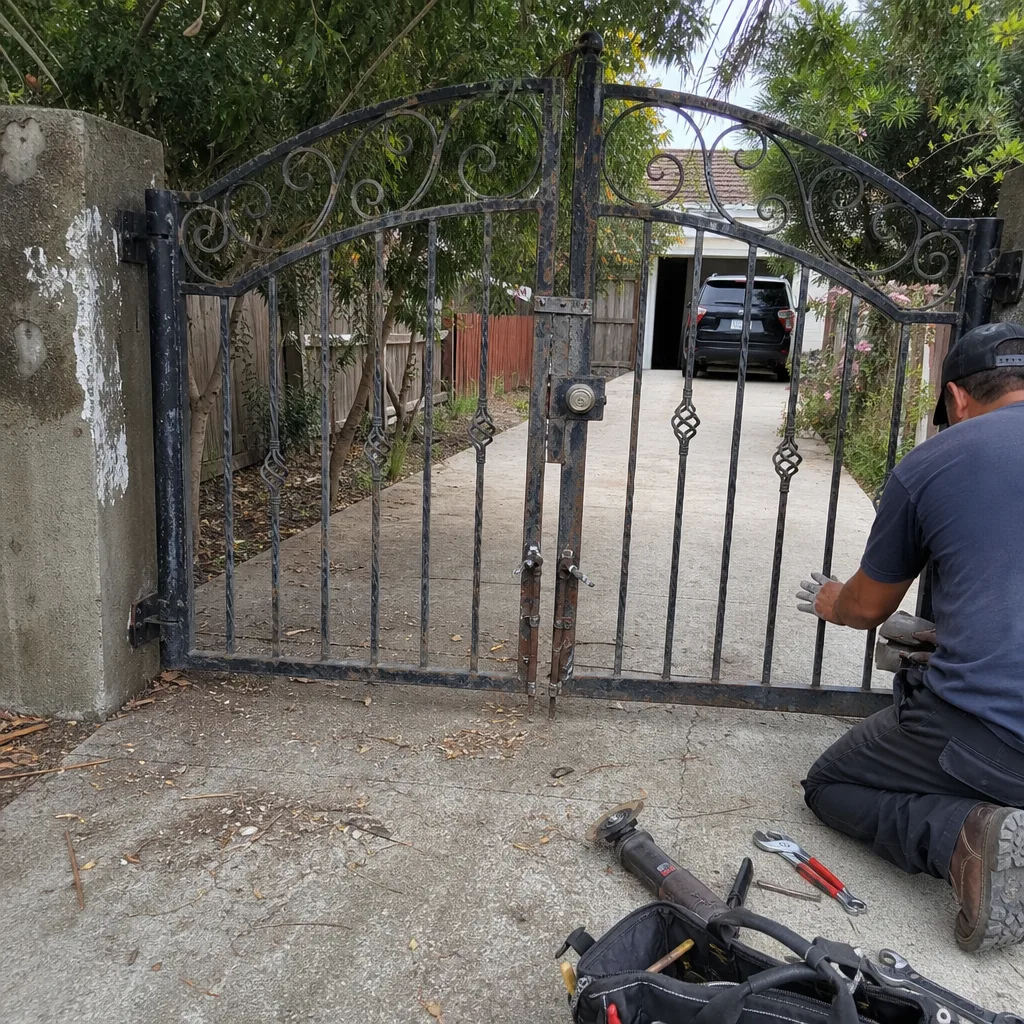 Before
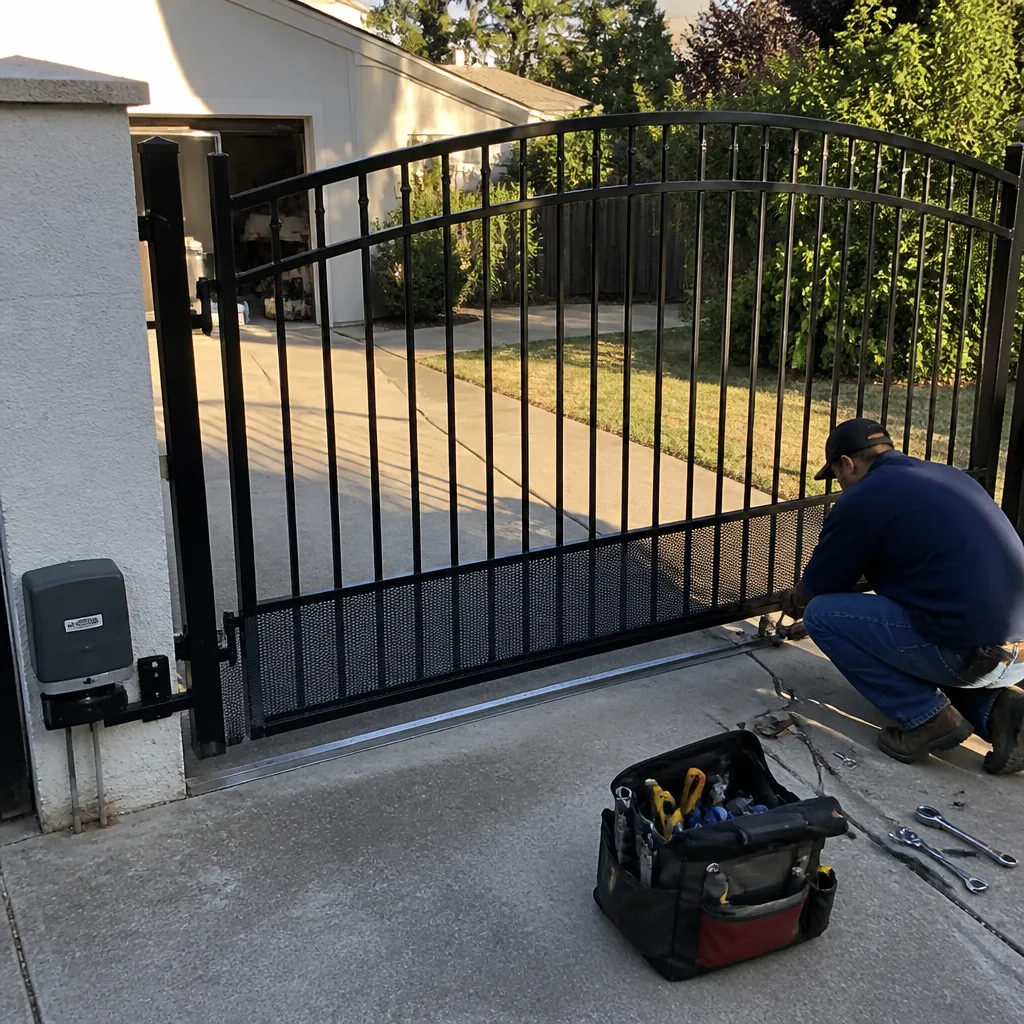 After
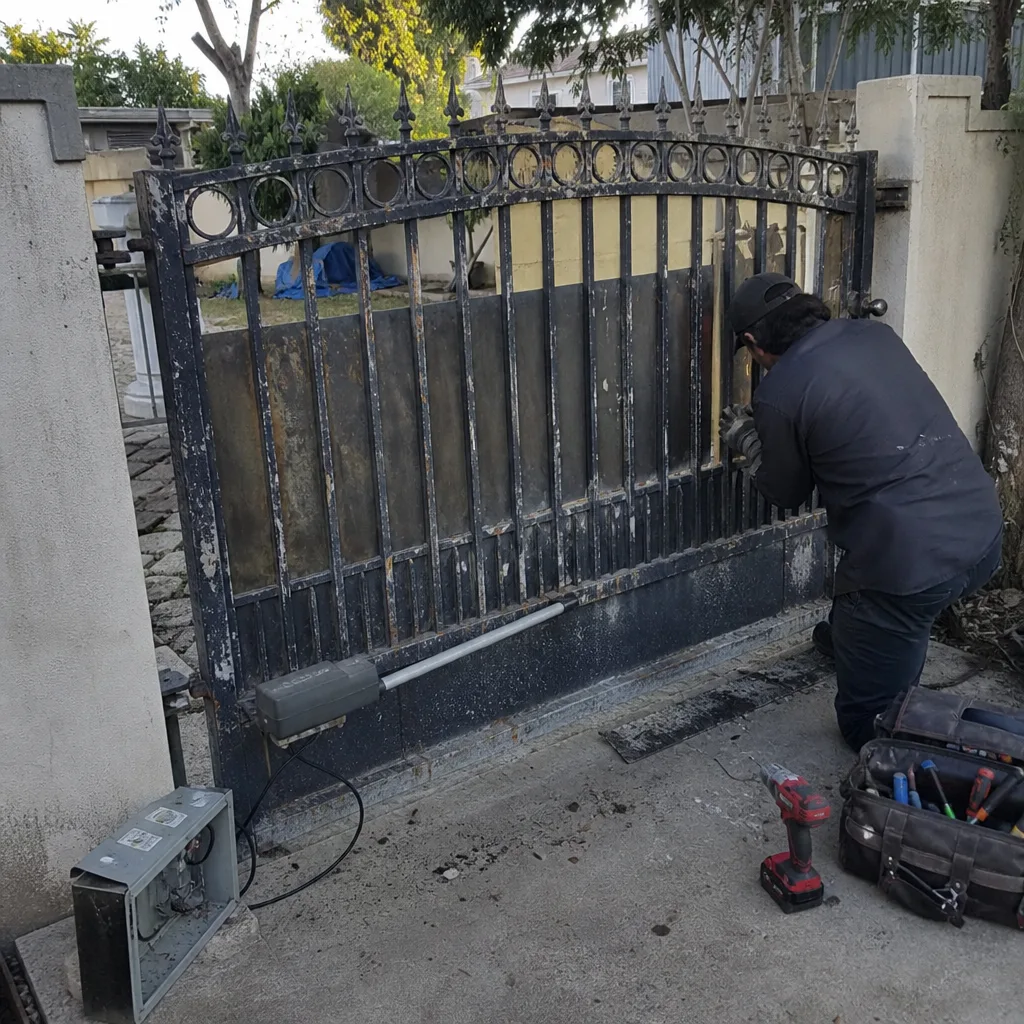 Before
 After
 Before
 After